
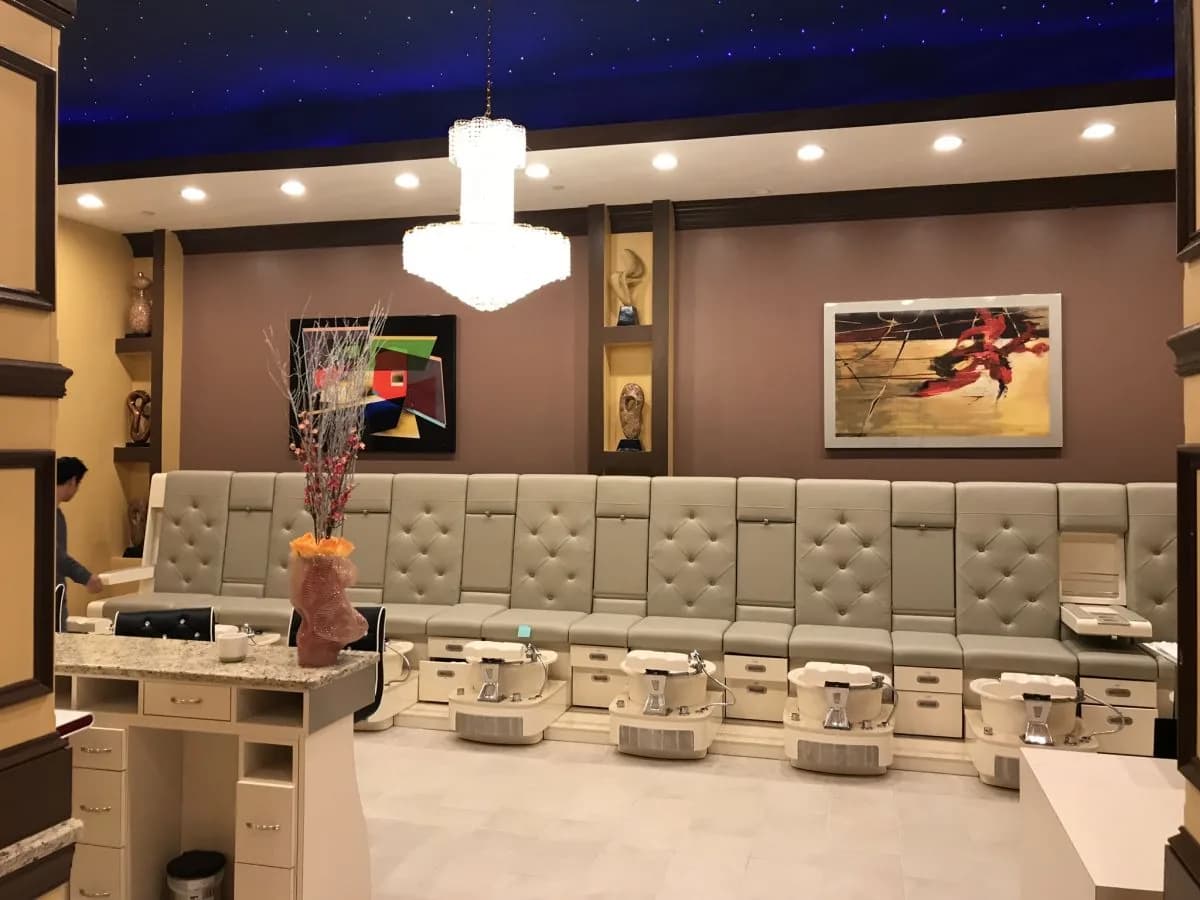
Nail art
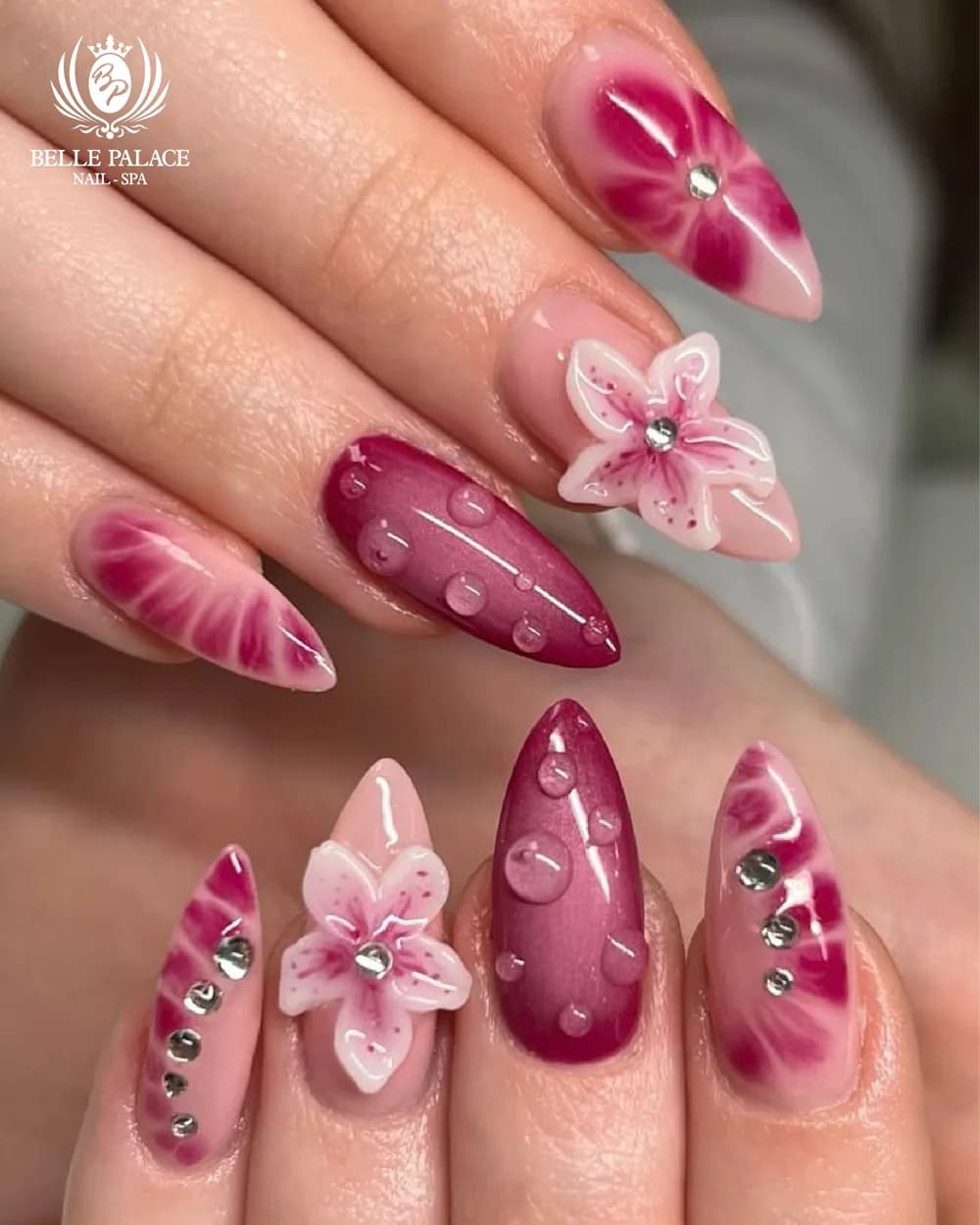
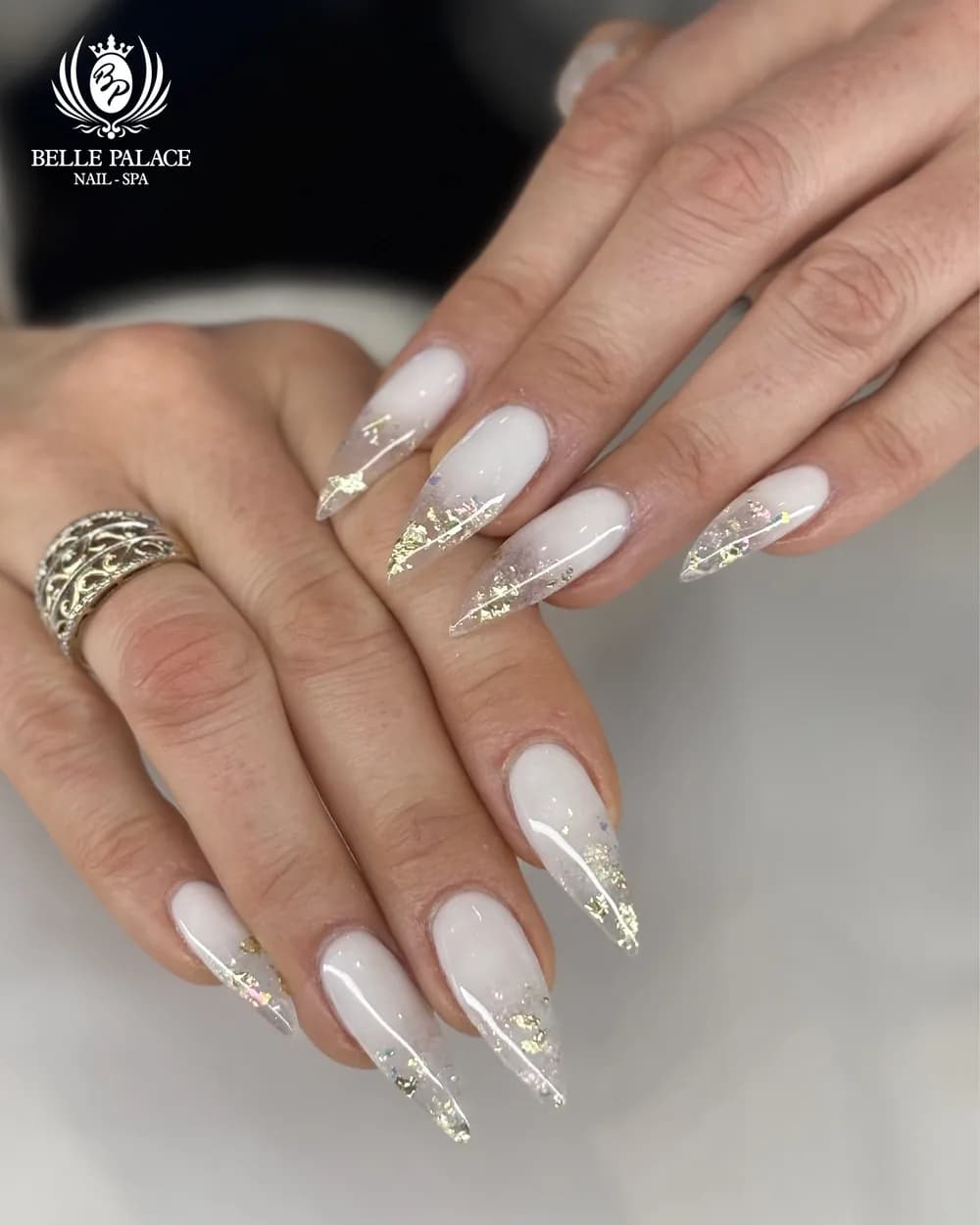
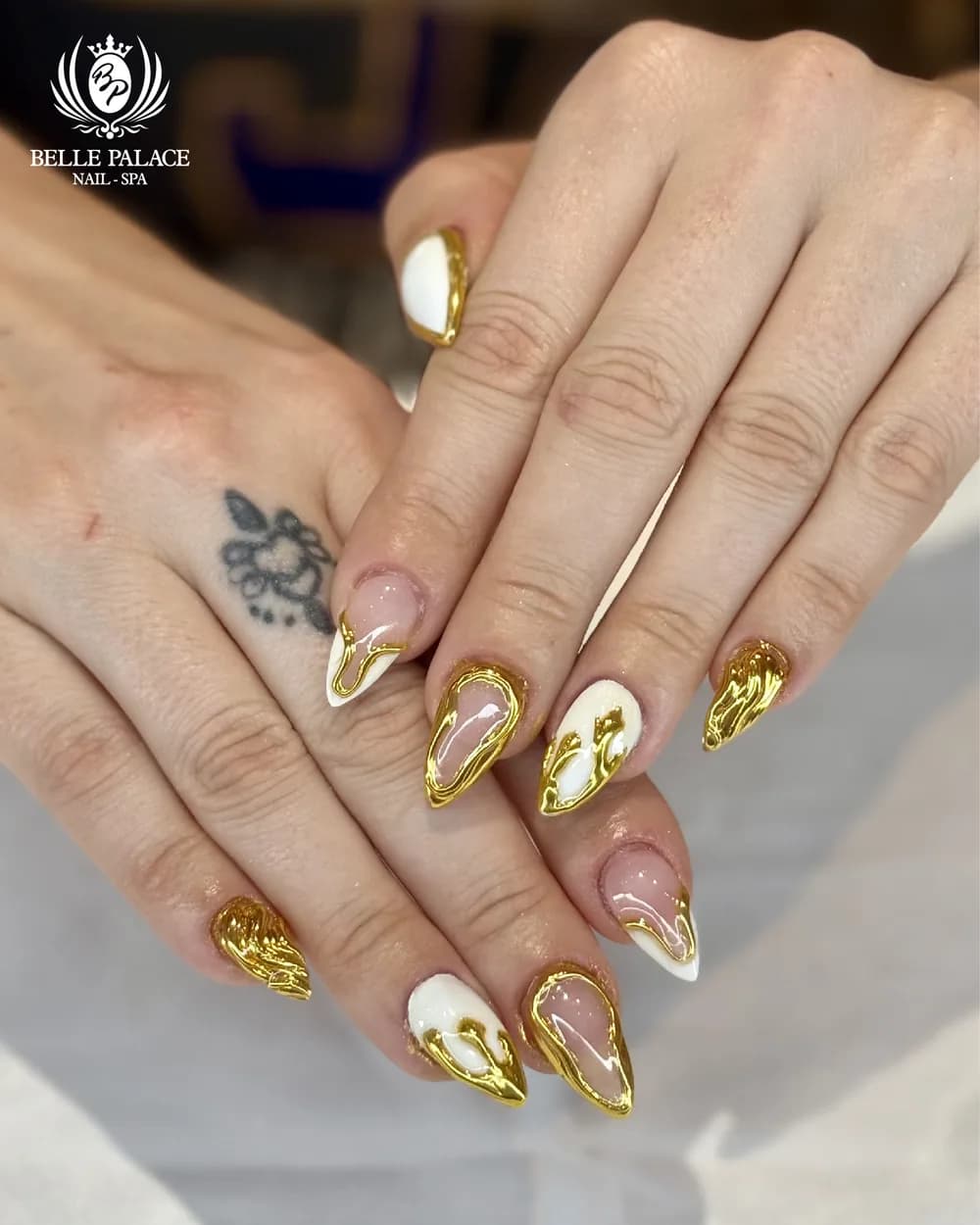
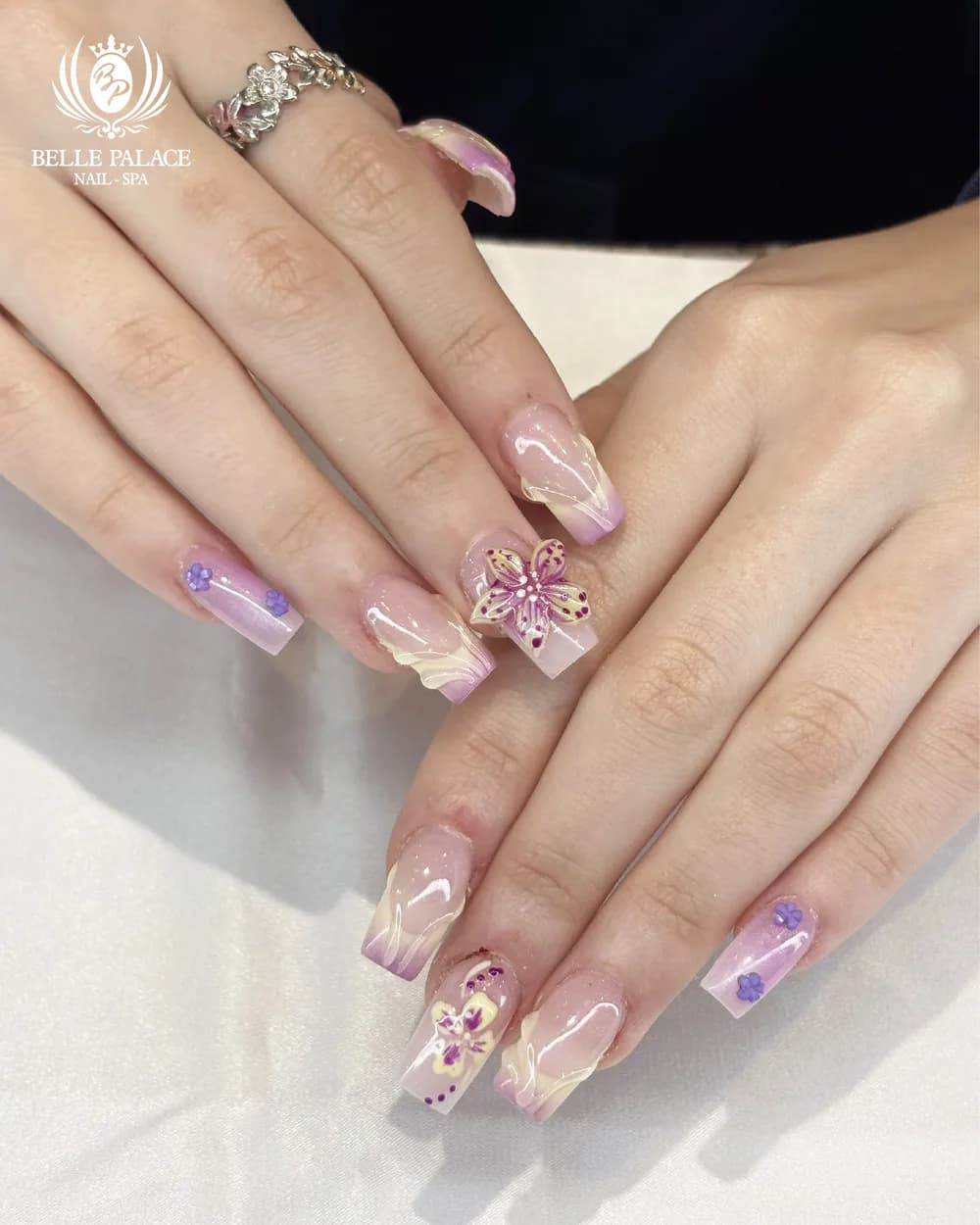
Nail art is what a lot of our guests come specifically for. With more than twenty artists on the floor, there is almost always someone whose specialty is the thing you want — chrome and cat-eye finishes, ombré fades, French variations, fine hand-painted line work, or built 3D detail.
The most useful thing you can bring is a photo. Not because we copy it, but because it settles length, shape, finish and color density in one glance, and leaves the conversation free for the part that actually needs discussing.
service-nail-art.webp
Ảnh mẫu nail art đẹp nhất của salon — chrome, vẽ tay hoặc 3D
How the service runs
Show the photo, then adjust it to your hand
A design built for long coffin nails needs rethinking on short squoval ones. Your artist will tell you what carries over and what to change so it still reads as the look you wanted.
Design decided before color goes on
Art is planned around the base — an ombré, a chrome or a hand-painted accent each need a different base built underneath. Deciding halfway through means starting over.
Detail work under proper light
Fine line work is done under a task lamp, not overhead lighting. It is slower. It is also the difference between a clean line and an almost-clean one.
Making it last
Book extra time for detailed sets
Hand-painted work across ten nails is not a twenty-minute add-on. Mention the design when you book so the right amount of chair time is held.
Two accent nails go a long way
If time or budget is tight, art on two nails with a clean color on the rest reads as a designed set and costs a fraction of ten painted nails.
Matte and chrome need a top-coat plan
These finishes behave differently under wear. Tell your artist how rough you are on your hands and they will build the top coat accordingly.
Worn out the door
Three quiet steps
Every appointment follows the same unhurried rhythm — so the result is never left to chance.
Consult
Your artist looks at your nails first — length, condition, how you use your hands — then talks through shape and color. Bring a photo, or start from the seasonal wall.
Prepare
Hospital-grade sterilization on every tool, every visit. Single-use files and buffers are opened in front of you, then discarded.
Perfect
Unhurried detail work under proper light — clean cuticle lines, even edges, and a finish checked from every angle before you leave the chair.
Nail art questions
The questions guests actually ask at the front desk, answered plainly.
Can I bring a photo of a nail design?
Yes, and it is the single most useful thing you can do. A photo settles length, shape, finish and color density in one glance. Your artist will tell you what carries over to your nail shape and what needs adjusting.
How much does nail art cost?
It depends on the design and how many nails carry it. Simple accents on two nails cost far less than hand-painted work across all ten. Ask for a quote at the chair before the design starts — your artist will give you a figure up front.
Do you do chrome and cat-eye nails?
Yes. Chrome, cat-eye, ombré fades, matte finishes, glitter, French variations and built 3D detail are all done in-house. With more than twenty artists on the floor there is usually a specialist for the style you want.
Can nail art be done on natural nails?
Yes — art works on gel, dip and extensions alike. Very short natural nails limit intricate designs simply because there is less surface, so an accent-nail approach usually looks better than trying to fit a full design on every nail.
Your chair is ready.
Opening hours vary by branch. Walk-ins depend on availability, and weekends usually fill quickly, so booking ahead keeps the time you want.